Florida Beach Weddings in 2026
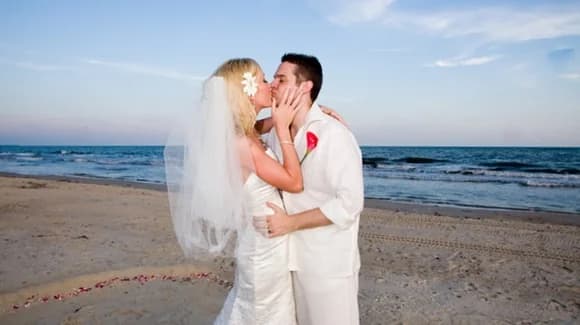
A Florida beach wedding can still be one of the best-value destination wedding ideas in the state, but the easy romantic version only happens if you plan the practical bits properly. In 2026 the biggest difference is not whether Florida has beautiful beaches — it obviously does — but which beach will actually allow the ceremony you want, what setup is realistic there, and whether you need a local planner to keep permits, weather and logistics under control.
If you are still deciding between a full destination wedding and a simpler ceremony, start with our broader Florida weddings guide and then come back here for the beach-specific planning.
Choose the style of beach first, not just the prettiest photo
Florida gives you very different beach-wedding experiences depending on region.
- Northwest Florida and the Panhandle: wide white-sand beaches and a classic Gulf look, usually best for couples who want space and a softer resort atmosphere.
- Gulf Coast: sunset-friendly west-coast beaches, calm-water appeal and plenty of hotel-backed ceremony options. See our Gulf Coast guide.
- Florida Keys: more tropical, more intimate, and often better for smaller groups than for a huge public-beach event. Start with the Keys guide.
- South Florida and the Atlantic side: livelier resort settings, city-beach combinations and easier access for couples who want nightlife or a bigger reception scene. See South Florida.
- Central and northeast Atlantic beaches: useful if you want to combine a beach ceremony with Orlando or a longer touring holiday. Our Central Florida and Northeast Florida guides help with that comparison.
The best beach is usually the one that matches your guest count, transport plan and reception plan — not just the one with the most dramatic sand.
Permits matter more than most couples expect
This is the first practical check to make. Florida does not have one single statewide beach-wedding rule. Public-beach ceremonies are usually controlled by the city, county, park authority or resort that manages that specific stretch of shoreline.
That means you should expect some beaches to require a dedicated wedding or special-event permit, some to restrict chairs, arches, amplified music or blocked-off areas, and some resort-front beaches to work best when booked through a hotel or planner rather than directly.
For example, Madeira Beach publishes a dedicated beach wedding permit page and application, while other local authorities route weddings through special-events teams or parks departments. Treat every beach as its own rule set.
Marriage-license basics for destination couples
Your beach location is only half the legal side. The marriage itself still runs through Florida marriage-license rules.
A current Florida clerk example from Brevard County says both applicants must apply together in person, bring accepted photo identification such as a passport, and pay a marriage-license fee of $86, reduced to $61 if the applicants have completed an approved premarital course. The same clerk guidance says the three-day waiting period is waived for non-Florida residents, which is why Florida remains attractive for destination weddings.
For the full wedding side rather than just the beach setup, keep the main Florida weddings guide and our wedding planner page in the mix while you plan.
Do you need a planner for a Florida beach wedding?
Not every couple does, but beach weddings are one of the strongest cases for using one.
A good local planner helps with:
- permit and beach-use rules;
- timing around heat, tides, storms and sunset;
- chairs, arches, florals and sound setup that can actually work on sand;
- backup plans for wind or rain; and
- coordination between ceremony, photos, transport and reception.
If you want a very small ceremony for two, you may be happy with a light-touch package. If you want decor, guests, music, transport and a same-day reception, a planner usually saves more hassle than it adds cost.
What does a Florida beach wedding cost?
There is no honest single statewide number because public-beach permits, setup rules, planner packages, florist costs and resort fees vary too much by coast and by guest count.
The practical way to think about value is this:
- Lowest-cost route: a simple ceremony with minimal setup, a local officiant, a photography package and a restaurant meal afterwards.
- Middle route: a planner-led ceremony with seating, decor, bouquet work, music and a separate reception booking.
- Premium route: a resort-backed wedding package or a more exclusive beach setup with larger guest logistics and weather backup space.
If your real question is whether a beach wedding is cheaper than a resort ballroom wedding, the answer is often yes for a smaller guest list and not always once you add bigger decor, reception, transport and weather backup requirements.
When is the best time of year?
Florida is usable year-round, but not every region feels equally comfortable at every time of year.
- Late autumn to spring: often the easiest planning window for south and central Florida because the heat is usually more manageable.
- Summer: workable, but afternoon storms, humidity and heat matter much more than couples often expect.
- Hurricane season: you need a real backup plan, not just optimistic wording in a contract.
Sunset ceremonies are often the safest comfort play on hotter coasts, especially in southern Florida and the Keys.
Do not separate the reception decision too late
One common mistake is planning the beach ceremony first and assuming the reception will sort itself out afterwards. It rarely does.
Before you lock the ceremony beach, decide whether you want:
- a private dining room in a restaurant;
- a hotel or resort event space;
- a beachside bar or terrace meal; or
- a very small post-ceremony dinner instead of a traditional reception.
That decision affects transport, guest timing and whether the beach you choose is actually convenient. Our Florida wedding receptions guide covers that next step.
Insurance and weather backup are part of the real budget
Beach weddings are more weather-sensitive than garden or ballroom weddings, so it is sensible to ask about postponement rules, wind restrictions, indoor backup space and what happens if the beach becomes unusable at short notice.
That does not mean a Florida beach wedding is risky by default. It just means you should plan it like an outdoor event, not like a guaranteed sunshine postcard.
Handled well, a Florida beach wedding can still be one of the most memorable and efficient destination wedding formats in the state — especially if you match the beach, the season and the reception plan to the kind of day you actually want.