Florida State Parks in 2026
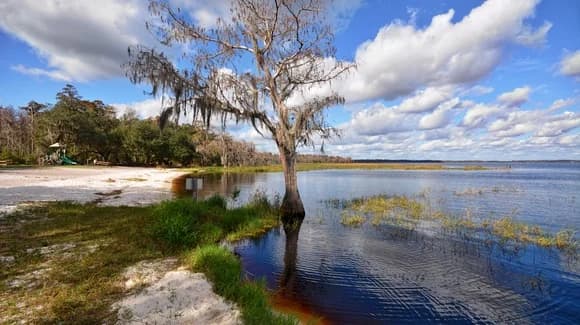
Florida State Parks are still one of the best ways to balance a holiday built around theme parks, beaches and road trips. They give you access to springs, trails, paddling, wildlife areas, beaches and quieter overnight stays that feel very different from the main tourist corridors.
The official Florida State Parks website was blocked during this refresh, so this page has been rebuilt to avoid stale park-count claims and instead focus on the planning advice that is still safe and useful in 2026.
Why Florida State Parks are worth adding to your trip
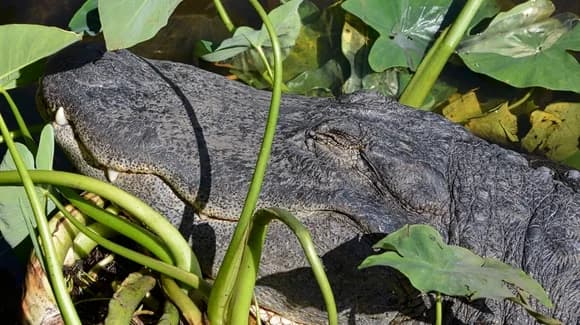
If your holiday is mostly Orlando, Miami, Tampa Bay or the Gulf Coast, a state-park day can give you a very different side of Florida: less queueing, more space, and a better chance of seeing springs, marshes, coastal scenery and native wildlife. They also work well as a break between heavier attraction days.
Who gets the most value from them
- Road-trippers: state parks make strong stopovers when you are driving between regions such as Central Florida, the Gulf Coast and the Florida Keys.
- Families: they are often a better fit for a lower-key day than adding another expensive attraction.
- Outdoor travellers: they are the obvious place to look for walking trails, kayaking, swimming areas, fishing access and camping.
- RV and villa visitors: they can add a more natural overnight or day-trip contrast to a holiday otherwise based around resort areas. Our RVs and camping guide helps with the wider planning side.
Camping, cabins and overnight stays
Many Florida State Parks offer campgrounds and some also have cabins or other simple overnight accommodation, but availability can disappear fast on weekends, school holidays and winter/spring peak dates. If you know you want a park stay, treat it as an early-book item rather than something to sort out a few days before arrival.
If you are travelling by car, book the park stay around your route rather than forcing a long detour. That usually gives better value than trying to squeeze a park overnight into an already park-heavy Orlando schedule.
What the cost question really looks like
Prices for day entry, camping, cabins, parking and add-ons vary by park and are not consistent enough to publish as one flat statewide table. The safe 2026 approach is to check the individual park page before you travel, especially if your plan depends on a campground, launch point, swimming area or rental.
In value terms, state parks usually make most sense when you want a full low-key day outdoors rather than just a short photo stop. A park where you will genuinely swim, paddle, hike or stay overnight is usually a better use of time than a token one-hour visit squeezed into an already packed itinerary.
How to choose the right park for your holiday
- For Orlando-based trips: look for parks that give you lakes, springs or easy day-trip nature access rather than another built attraction.
- For coastal holidays: prioritise parks with beach access, boardwalks or paddling rather than duplicating a resort beach day.
- For Keys and South Florida trips: think about whether you want snorkelling, wildlife viewing or a scenic stop that breaks up the drive.
Checks to make before you go
- Confirm the park is open on your travel date and check for weather, water-quality or capacity notices.
- Check whether swimming, paddling, boat launch access or rentals are actually available that day.
- Do not assume every park has the same facilities, food service or shade.
- If you are driving, build the park visit into your wider Florida road planning rather than treating it as an afterthought.
For most visitors, Florida State Parks work best when you use them deliberately: as the nature day, the camping stop or the scenic break that rounds out the rest of the trip, not as a vague extra once everything else is already booked.