Enjoying Florida with Mobility Problems in 2026
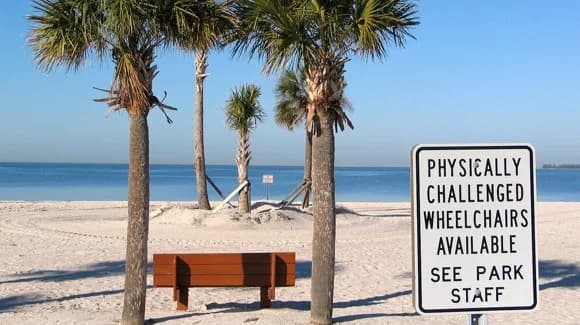
Mobility problems should not stop you enjoying a Florida holiday, but they do change the way you should plan it. The biggest issue is usually not access in principle. It is distance, heat, queue time and the amount of energy a normal Florida day can take out of you.
The good news is that most major visitor areas in Florida are used to supporting guests who need extra help. The smartest approach is to plan around comfort and stamina from the start instead of waiting until you are on holiday to realise how much walking a "normal" day involves.
The biggest mistake: underestimating scale
Florida attractions are large. Very large. Even the parking, security and transport stages before you reach an attraction can involve a lot of standing and walking. That is why a holiday that looks manageable on paper can become exhausting in real life if you build every day around full park hours.
For many travellers, the best upgrade is not a more expensive ticket. It is a better day plan: fewer backtracks, more breaks and realistic transport choices.
Wheelchair or scooter?
For a lot of visitors, this is the decision that changes the whole trip.
- Wheelchair: works well if someone in your party can push reliably and you mainly need help with distance.
- Mobility scooter / ECV: often the better choice if pushing all day would be difficult or if the user needs independent movement.
- Stroller for younger children: still matters more than some families expect because Florida days are long and hot.
If you are likely to need equipment on several days, compare daily in-park rental with longer off-site hire before you travel. Exact prices can change, so the key value question is whether you need a one-park solution or all-day transport to and from the hotel as well.
Theme park strategy matters more than bravado
The parks are usually most enjoyable when you accept that doing less can mean seeing more. A sensible accessibility plan often includes:
- arriving with one or two priority areas rather than a full-park mission;
- building in indoor rest breaks and proper meal stops;
- avoiding repeated criss-crossing of the park;
- using the nearest practical parking or drop-off option; and
- checking each park's current accessibility guidance before the day.
That last point matters because policies, queue arrangements and ride-specific transfer guidance can change.
Choose your hotel with mobility in mind
Location often matters more than stars. A cheaper hotel can become poor value if it adds long walks, awkward transport and a tiring end to every day.
When comparing hotels, look beyond the room photos and check:
- step-free access from parking or transport;
- lift access if you do not want ground floor only;
- how far the room may be from reception, dining and pools;
- whether accessible room features are clearly described; and
- whether staying closer to your main attraction will save enough energy to justify the higher rate.
Our broader Florida hotel guide is a good starting point.
Transport choices can make or break the trip
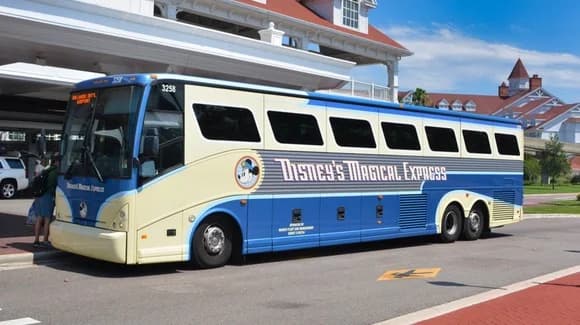
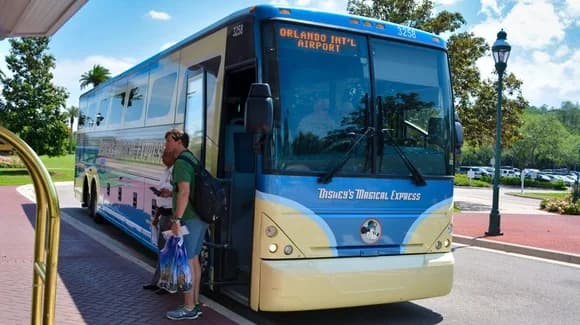
If you are covering more than one part of Florida, think hard about how you will actually move between airport, hotel and attractions. The cheapest transfer is not automatically the best one if it creates extra standing, loading or waiting.
- If you are driving, read driving in Florida and consider how easy the hotel and attraction parking will be.
- If you are renting a car, check boot space properly before you book, especially if you may be carrying a folded wheelchair or other equipment.
- If you are trying to go largely car-free, start with getting around Florida so you can judge where that is realistic.
How to judge value if mobility support is part of the trip
The best value usually comes from spending money where it removes strain rather than where it only looks premium.
- Often worth paying more for: a better-located hotel, a more practical room type, a simpler transfer, or multi-day mobility equipment if you will use it every day.
- Often poor value: chasing the cheapest room or ticket if it adds huge walking distances, awkward parking or difficult transport changes.
If your holiday is meant to be relaxing, comfort and ease are not luxuries. They are part of the trip working properly.
Bottom line
Florida can still be a very good holiday with mobility problems, but it rewards realistic planning. Think in terms of energy, distance and heat rather than just attraction lists. Build your days so they are actually doable, and the trip usually becomes much more enjoyable.
For related planning, also see getting around Florida, renting a car in Florida and Florida hotel information.