Getting To Florida By Road in 2026

Getting to Florida by road is still perfectly realistic in 2026, but it makes most sense when the road journey itself is part of the trip or when arriving with your own vehicle solves a real problem. If you just want the fastest route to a one-resort holiday, flying is usually easier. If you want flexibility, luggage space, multi-stop freedom or a longer stay, road travel can still be the right call.
Florida is long rather than just wide, so driving “to Florida” is only the first part of the planning problem. Pensacola, Orlando, Tampa, Miami and Key West are very different end points. That is why a route that works well for one trip can be the wrong one for another. For statewide movement after arrival, also read our Getting around Florida guide.

The main north-south routes
Interstate 95 remains the obvious east-coast arrival corridor if you are coming down through the Atlantic side toward Jacksonville, the Space Coast, Fort Lauderdale or Miami. Interstate 75 is the big inland route for travellers aiming at the Gulf side, Tampa Bay, Southwest Florida or the central spine before cutting across the state.
Neither route is “better” in the abstract. I-95 is cleaner for east-coast destinations. I-75 is often better for Gulf-side or central-state plans. If your goal is Orlando specifically, your final approach often matters more than your first interstate choice.
The key east-west routes
Interstate 10 is still the main west-east corridor across the Florida Panhandle, linking the western approach with places such as Pensacola, Tallahassee and Jacksonville. Interstate 4 remains the crucial cross-state route between the Tampa Bay side and the Daytona Beach side via Orlando.
I-4 is also one of the state’s most important tourist corridors, which is another way of saying it can be stressful, busy and delay-prone. Build that into your timings rather than assuming motorway miles in Florida behave like a relaxed scenic drive.
Tolls, SunPass and rental-car planning
Florida’s Turnpike Enterprise continues to state that customers can pay tolls using SunPass as the preferred method, another interoperable transponder, cash on some facilities, or TOLL-BY-PLATE where applicable. In other words, the old advice to rely on pockets full of coins is no longer good enough for modern Florida planning.
The exact cost depends on your route, vehicle and payment method, so the honest current answer is to use the official Toll Calculator before you travel rather than trusting frozen example figures. For the detail layer, our Florida toll roads guide and car-hire guide are the right companion pages.
When road travel is best value
Road travel usually wins on value when you are splitting several bases, carrying a lot of family luggage, staying in villas, or planning to explore beyond one resort zone. It is less obviously good value if you are driving very long distance just to spend the whole holiday in one place with parking, tolls and fuel stacking up.
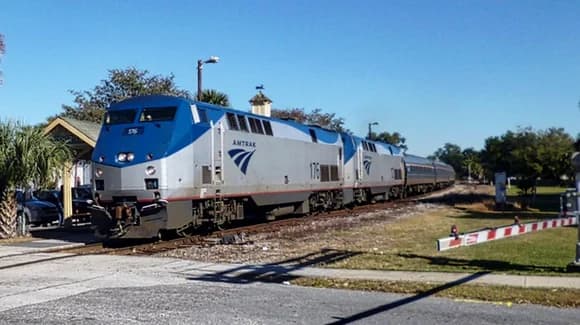
If you are travelling from the Northeast and mainly want to arrive in Central Florida with a vehicle but without the full drive, the Amtrak Auto Train is still the main alternative worth comparing.

Our 2026 take
- Choose road travel if flexibility is central to the trip.
- Plan tolls in advance using official calculators and payment guidance.
- Be realistic about Florida distance and traffic, especially on I-4 and long southbound runs.
- Compare it against flying or Auto Train if you do not actually need to drive the whole way.
Road access to Florida is still a strong option in 2026. Just make sure you are choosing it because it improves the holiday, not because it sounds simpler than it really is.