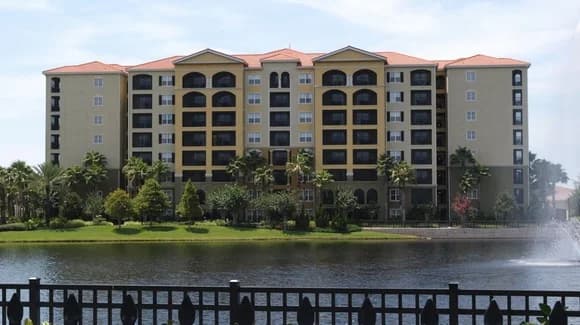
Florida Timeshares in 2026

Florida timeshares are still a major part of the state’s visitor accommodation market in 2026, but they only make sense if you understand the legal protections, the ongoing costs and the difference between holiday usage and real resale value.
If you are deciding between vacation ownership and simply booking accommodation as needed, compare this page with villas, condos and our broader guide to the pros and cons of vacation ownership.
How Florida timeshares work now
Many people still picture the old fixed-week model, but modern Florida timeshares can be deeded or right-to-use, week-based or points-based, and tied to a single resort or a wider vacation club network. That means the product you are buying may be less about one apartment every year and more about an allocation system inside a brand’s booking rules.
Examples on the site include Disney Vacation Club, Marriott Vacation Club and other Florida vacation clubs.
The most important consumer protection: Florida's 10-day cancellation window
This is the first fact most buyers should know before attending any presentation. Section 721.10 of the 2025 Florida Statutes says a purchaser has the right to cancel a timeshare contract until midnight on the 10th calendar day after the later of the contract execution date or the day the purchaser received the last required documents. The law also says that right cannot be waived.
That does not mean you should sign casually and “sort it out later.” It means Florida recognises that buyers need breathing room after a sales presentation. The safest approach is still not to sign at all until you have had time to review the offer properly.
Florida law also requires disclosures
Section 721.06 sets out contract disclosures including the purchase price and certain additional charges, and DBPR's timeshare guidance says developers must file a public offering statement and establish escrow protection for purchaser funds before offering a timeshare plan. Those are useful checks when you want to know whether a developer sale is operating inside the formal Florida framework.
Timeshare presentations: treat the incentive separately from the decision
Florida visitors still encounter discounted-stay offers, attraction incentives and presentation packages around major tourist areas. If you attend one, keep the incentive and the purchase decision mentally separate. A freebie can be real and the purchase can still be poor value for your travel style.
If you do attend, never rely on spoken promises alone. Ask for the written terms, cooling-off details, annual-fee obligations, usage rules, exchange-program costs and any resale restrictions.
Current pricing: the upfront price is only the beginning
There is no single honest statewide price because Florida timeshares range from small resale weeks to premium-brand points products. The only sensible way to judge value is to break the cost into layers:
- initial purchase cost;
- annual maintenance or dues;
- club, exchange or reservation fees;
- closing and transfer costs on resales; and
- whether the booking flexibility is actually better than just renting travel as needed.
That is why a “cheap” resale can still become expensive over time, while a premium developer purchase can be hard to justify unless you know you will use it consistently for years.
Resales are where old myths usually break down
Many older articles treated timeshares as if they held their value. In reality, resale pricing can be dramatically lower than original developer pricing, and some owners struggle to exit unwanted ownership because the ongoing maintenance obligation matters more than the original purchase story.
If you are even slightly unsure, read the pros and cons page before agreeing to anything.
When a timeshare can make sense
- you return regularly to the same type of destination or brand;
- you understand the annual costs and can comfortably carry them;
- you value the booking system and accommodation standard enough to keep using it; and
- you are buying for holiday use, not because you think it is an investment.
When to walk away
- if the salesperson is pushing urgency;
- if the written costs and rules are not fully clear;
- if you are relying on resale value to justify the purchase;
- if the annual fee feels uncomfortable already; or
- if ordinary rentals would probably give you the same flexibility with less long-term commitment.
Florida timeshares are not automatically bad and not automatically good. They are a specialist holiday product. If you treat them as such, understand the cancellation protection, and cost them over years rather than over one presentation, you are much less likely to make an expensive mistake.