Orlando Weather, Temperature and Rainfall in 2026
If you are planning an Orlando holiday in 2026, the big thing to understand is that Central Florida is usually warm all year but it feels very different in winter, spring, summer and early autumn. The heat is not the whole story; humidity, thunderstorm timing and the wet season matter just as much.
This refresh has been checked against current NOAA 1991-2020 climate normals for Orlando International Airport, so the temperature and rainfall ranges below are grounded in the latest official long-term data rather than old one-off yearly figures.
What Orlando weather is usually like
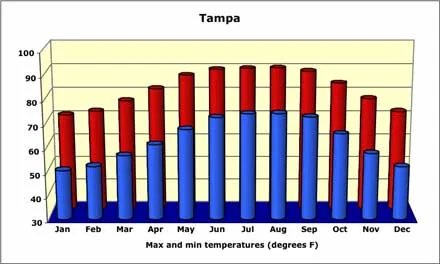
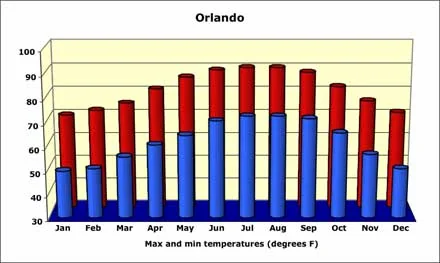
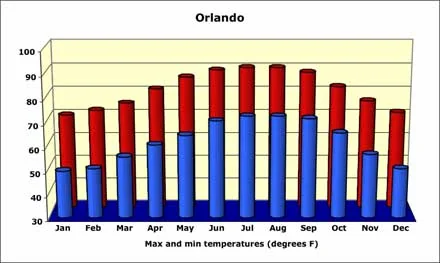
- Winter: usually mild and much easier for long park days, with average highs around 72°F in January and 75°F in February.
- Spring: one of the most comfortable periods, with warmer days but usually less rain than the main summer wet season.
- Summer: very hot, humid and storm-prone, with average highs around 91 to 92°F from June to August.
- Autumn: October usually feels more manageable again, but late summer heat and storm risk can still linger into September.
The annual average temperature at Orlando International is about 73°F, but that headline number can be misleading because a January park day and an August park day feel completely different on the ground.
The rainfall pattern matters as much as the heat
Orlando is not just “hot”; it has a very clear wet season. NOAA normals show the sharp jump from roughly 4.02 inches of rain in May to 8.05 inches in June, then 7.46 inches in July, 7.69 inches in August and 6.37 inches in September.
That is why summer weather planning is really about timing. Mornings can still be bright and usable, but the classic Central Florida pattern is heat building through the day followed by scattered afternoon or early-evening thunderstorms. They do not always last long, but they can be intense enough to disrupt rides, water parks and driving plans.
By contrast, the driest part of the year is usually late autumn into winter. NOAA normals put November at 1.79 inches and February at 2.04 inches, which helps explain why many visitors find winter easier for steady sightseeing.
Best time to visit if weather is your main concern
For many travellers, the easiest sweet spots are late winter, spring and parts of October. You still need to expect warmth, but the balance between heat, humidity and rainfall is often better than in mid-summer.
If school-holiday timing pushes you into June, July or August, the best strategy is not to expect cool weather. Instead, build the trip around early starts, indoor breaks, flexible afternoons, lots of water, and fast access to rain gear.
Hurricanes and severe weather
Orlando is inland, so it is not usually dealing with the same direct coastal conditions as Florida beach destinations, but it is still affected by the wider Atlantic hurricane season from June 1 to November 30. That can mean flight disruption, heavy rain, strong winds and park-operating changes even when the main storm track is elsewhere in the state.
For the wider picture, read this page alongside our Florida seasons guide, statewide temperature and rainfall guide, Florida weather overview and Florida hurricane guide.
What this means for park planning
If your trip is mostly theme parks, cooler months generally give you the best chance of handling long walking days comfortably. In summer, the weather can make ticket value feel different because a long expensive park day is harder to use fully when heat, lightning delays or storm breaks eat into your schedule.
If you are still matching dates to attractions, our Florida theme parks guide and best time to visit Florida guide help you connect the weather side to the rest of the holiday plan.