Using US Currency in Florida in 2026
Most Florida visitors in 2026 do not need to rely heavily on cash, but it still helps to understand how U.S. currency works before you travel. The practical goal is simple: use cards for most spending, keep some dollars for flexibility, and avoid paying unnecessary exchange or ATM fees. This page works best alongside our updated guides to using cash in Florida and using credit cards in Florida.
How U.S. currency works
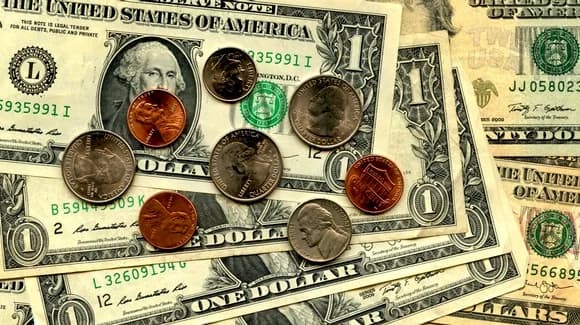
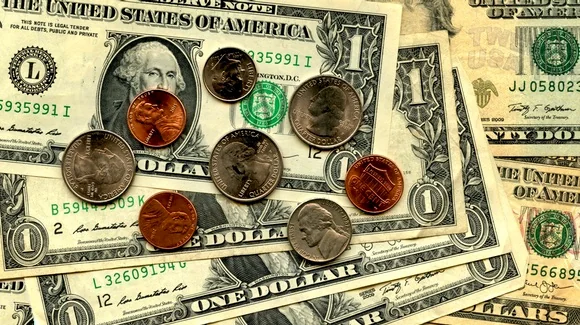
The U.S. dollar is split into 100 cents, and the U.S. Currency Education Program still lists seven note denominations: $1, $2, $5, $10, $20, $50, and $100. In real day-to-day Florida spending, the notes you are most likely to handle are $1, $5, $10 and $20, with $50 and $100 notes much less common for small purchases.
Useful coin basics
The coins most travellers actually notice are the quarter (25¢), dime (10¢), nickel (5¢), and penny (1¢). If you are paying cash, quarters are the most useful coin to recognise quickly. In practice, though, many visitors will use coins far less than they expect because card and mobile-wallet payments dominate so much of modern Florida travel.
How much cash is sensible in 2026?
For many holidays, a small starter amount such as roughly $50 to $150 in mixed notes is enough for arrival-day tips, snacks, and backup spending, while your main card handles the bigger costs. That is usually a better plan than carrying large amounts of cash for the whole trip.
If you are arriving late, tipping on the first night, or want a simple backup in case a payment terminal misbehaves, having a few $1, $5, $10 and $20 notes is more useful than carrying one large bill.
Where cash still helps
- Housekeeping and small service tips.
- Minor convenience purchases or places where splitting a small bill is easier in cash.
- Backup spending if a card terminal is offline or your bank blocks a transaction.
Exchange-rate and ATM reality
The cheapest way to get dollars is not always the most obvious one. Compare the full cost of your exchange rate, card fees, ATM fees, and any commission rather than focusing on one headline rate. If a terminal or ATM offers to charge you in pounds instead of dollars, it is usually cleaner to stay in U.S. dollars and let your own bank or card network handle the conversion.
That matters even more if you plan to drive, because hotels, car hire, tolls, and parking all work more smoothly with a card-first setup. For that side of the trip, also read our Florida car-hire guide and Getting to Orlando guide.
Our 2026 take
Understand the notes and coins, bring a modest amount of dollars, and let cards do most of the heavy lifting. That is the simplest, most flexible way to handle U.S. currency in Florida now.